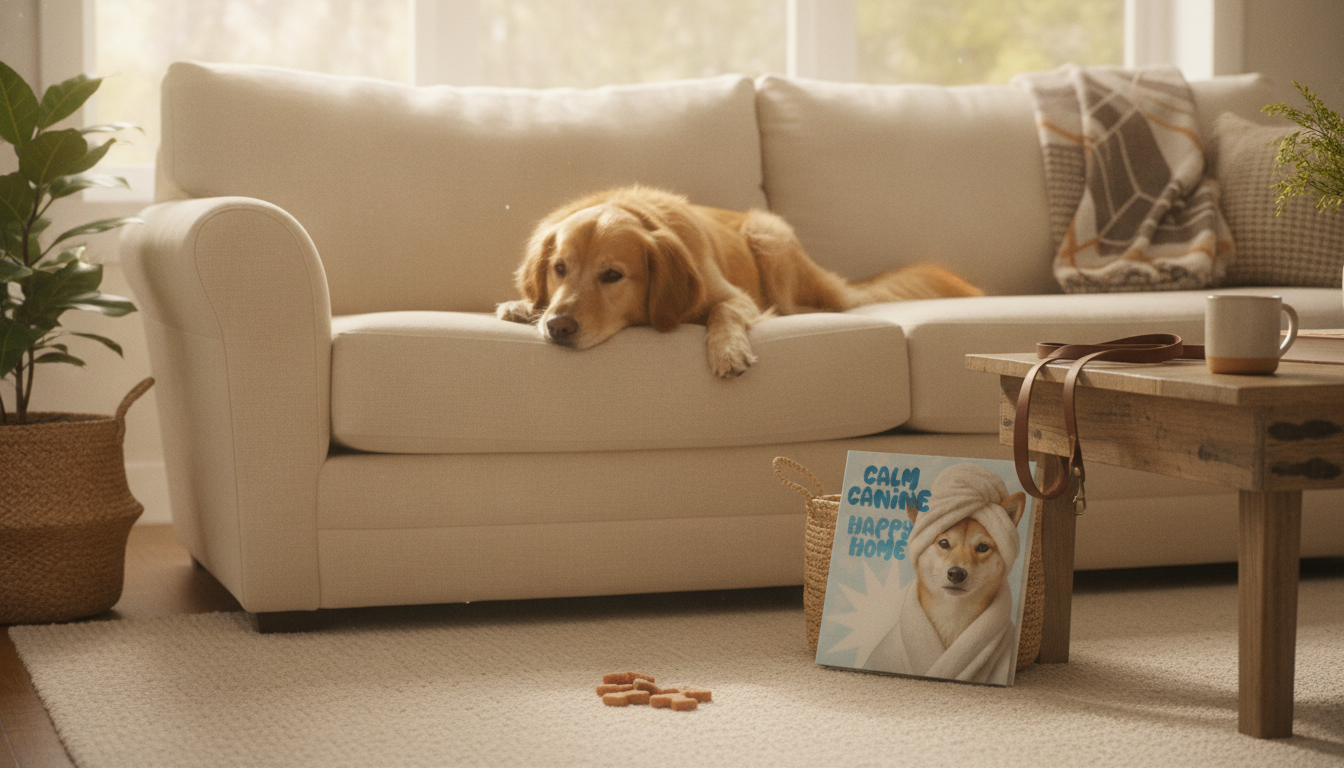
Impulse control is a learnable skill that helps dogs pause, think, and choose calmer behaviors—even when they’re excited, hungry, or overstimulated. With short, consistent practice and the right setup, everyday moments like greetings, doorways, meals, and walks can become opportunities to build self-control without harsh corrections. The goal isn’t a “perfect” dog; it’s a dog who can recover faster, make better choices, and settle more easily in a busy home.
Impulse control shows up as small, practical behaviors that reduce chaos and boost safety. Common examples include:
These skills create a calmer household because they reduce rehearsals of frantic behavior and replace them with predictable routines your dog can succeed at.
Before drilling cues, check the basics. Many “impulse control problems” improve when the dog’s needs and environment are adjusted.
| Behavior | What the dog gains | First change to try |
|---|---|---|
| Jumping on people | Attention, face-level contact | Turn away + reward four paws on floor |
| Bolting through doors | Access to exciting outdoors | Door opens only after a brief pause |
| Snatching food/toys | Immediate reward | Hand-delivered treats for calm mouth/position |
| Leash pulling | Forward motion | Stop/turn; reward slack leash with movement |
| Barking at windows | Distance from trigger or stimulation | Block view + reinforce calm alternative |
Impulse control improves faster when a few simple “building block” behaviors are fluent. Keep sessions upbeat and brief.
If you want a structured way to practice these skills across everyday routines, Calm Canine, Happy Home: Tips for Building Impulse Control in Dogs breaks the process into doable steps that fit real households.
Mini-games work because they’re specific, repeatable, and easy to scale. Aim for 1–5 minutes at a time.
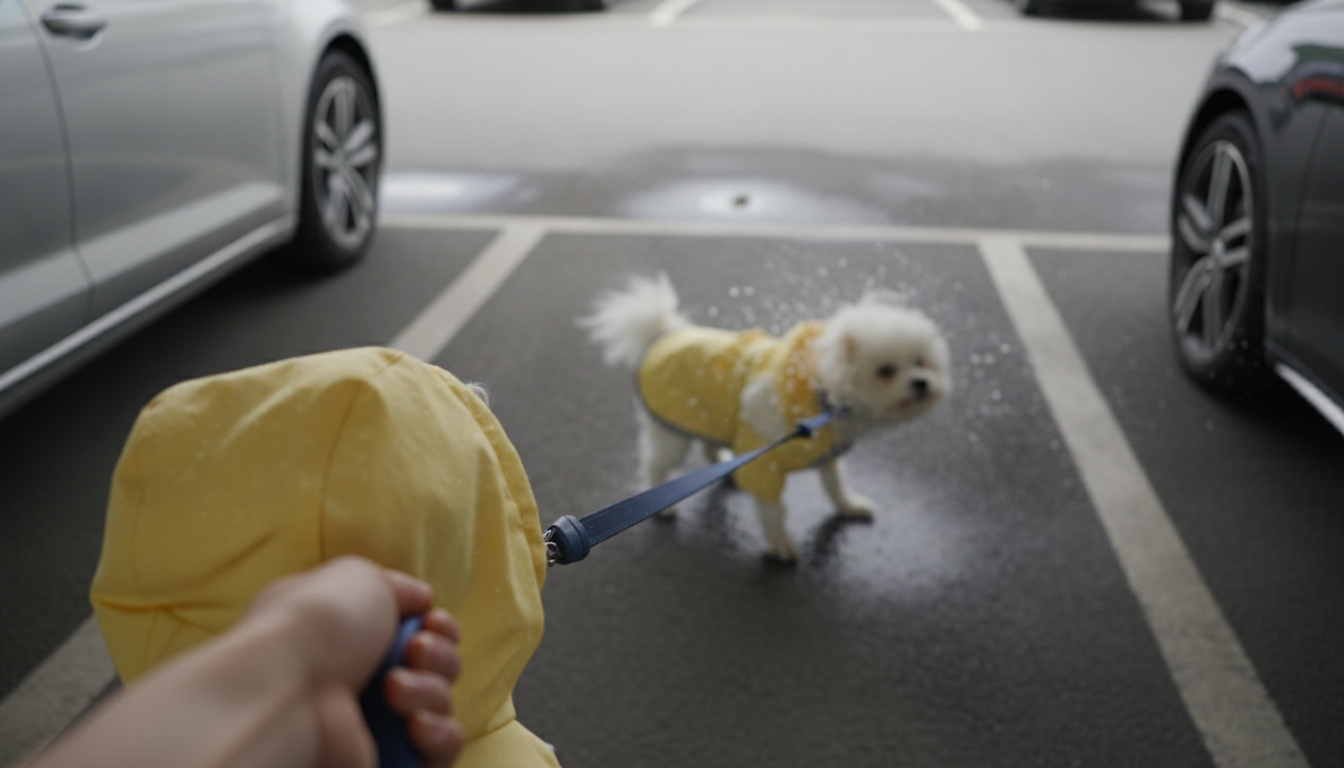
For dogs who get over-stimulated outdoors, lowering intensity helps. A comfortable layer for chilly training walks—like the Cozy Fleece Dog & Cat Jacket—can make it easier to keep sessions short and pleasant rather than rushing back inside.
Consistency is easier with simple tracking and routines. If you’re balancing training goals with day-to-day expenses (classes, treats, enrichment), Paws & Pennies: Smart Monthly Budgeting for Your Pet can help organize a realistic monthly plan.
| Day | Focus | Goal | Where to practice |
|---|---|---|---|
| 1 | Door wait | 1-second pause | Back door |
| 2 | Door wait + release | Pause then “OK” | Front door |
| 3 | Mat settle | Lie down on mat | Living room |
| 4 | Mat settle (duration) | 10 seconds calm | Kitchen during cooking |
| 5 | Loose leash start | 5 steps with slack | Driveway |
| 6 | Impulse around toys | Drop toy on cue then wait | Hallway |
| 7 | Real-life combo | Door wait + greet + mat | When a friend visits |
For additional guidance on humane, reward-based training approaches, see the American Veterinary Society of Animal Behavior (AVSAB) position statements, the American Kennel Club training tips, and the ASPCA dog behavior resources.
Small changes often show up in 1–2 weeks with daily practice, especially for simple routines like waiting at doors. More reliable impulse control around real distractions usually takes months of consistent reps, gradual difficulty increases, and management to prevent backsliding.
Impulse control is the ability to pause and regulate emotions before acting, while obedience is responding to cues like “sit” or “down.” Strong impulse control makes obedience more dependable when your dog is excited, frustrated, or distracted.
Yes—when calm behavior earns access, jumping and pulling lose their payoff. Door waits, mat work, and rewarding a slack leash with forward movement teach your dog that self-control is what makes greetings and walks happen.






Leave a comment